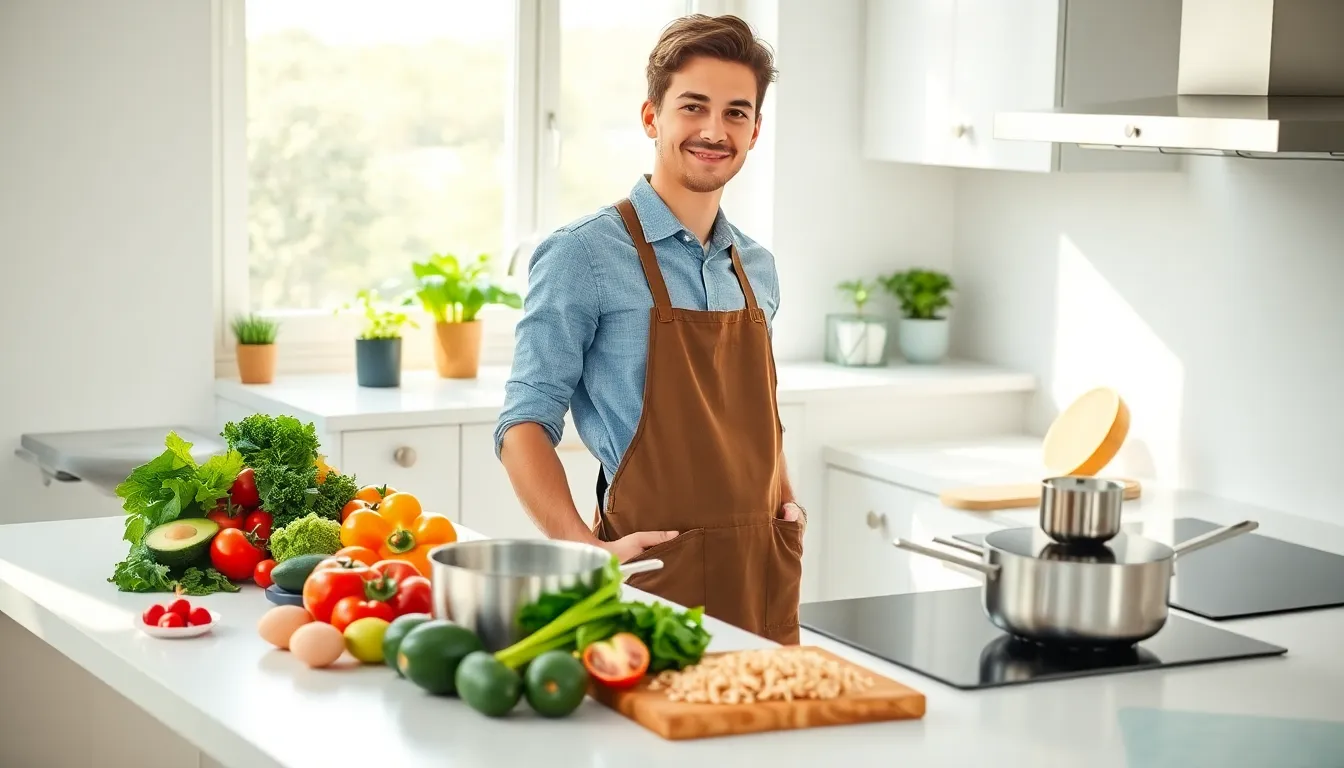
A good healthy recipes guide can change how people eat every day. Cooking nutritious meals doesn’t require hours in the kitchen or expensive ingredients. It starts with understanding a few core principles and building habits that stick.
Many people assume healthy cooking means bland food or complicated techniques. That’s simply not true. With the right approach, anyone can prepare meals that taste great and support their health goals. This guide covers the basics of healthy cooking, essential pantry items, breakfast ideas, lunch and dinner recipes, and practical meal prep strategies. Each section offers clear, actionable advice for everyday cooking.
Table of Contents
ToggleKey Takeaways
- A healthy recipes guide focuses on whole foods, smart cooking methods, and portion control to make nutritious eating simple and sustainable.
- Stock your pantry with lean proteins, whole grains, colorful produce, and healthy fats to build countless quick and balanced meals.
- Quick breakfasts like overnight oats, veggie egg scrambles, and smoothie bowls take minimal time but deliver maximum nutrition.
- Sheet pan dinners and stir-fries prove that healthy recipes can be flavorful and ready in under 30 minutes.
- Batch cooking proteins, chopping vegetables in advance, and preparing grains ahead can transform your entire week with just one hour of meal prep.
- Plan your meals before shopping to reduce food waste, avoid impulse purchases, and keep healthy choices accessible every day.
Understanding the Basics of Healthy Cooking
Healthy cooking starts with a few simple principles. First, focus on whole foods. These include vegetables, fruits, whole grains, lean proteins, and healthy fats. Processed foods often contain added sugars, sodium, and unhealthy fats that work against nutritional goals.
Cooking methods matter too. Grilling, baking, steaming, and sautéing preserve nutrients better than deep frying. When someone sautés vegetables in olive oil instead of butter, they reduce saturated fat while adding heart-healthy monounsaturated fats.
Portion control plays a key role in any healthy recipes guide. Even nutritious foods can lead to weight gain if eaten in excess. A balanced plate typically includes half vegetables, one quarter protein, and one quarter whole grains.
Seasoning makes healthy food enjoyable. Fresh herbs like basil, cilantro, and parsley add flavor without extra calories. Spices such as cumin, turmeric, and paprika bring depth to dishes. Lemon juice and vinegar brighten flavors naturally.
Reading nutrition labels helps people make informed choices. They should check serving sizes, sodium content, and added sugars. Foods with short ingredient lists usually contain fewer processed additives.
Essential Ingredients for Nutritious Meals
A well-stocked kitchen makes healthy cooking easier. These staples form the foundation of countless nutritious recipes.
Proteins
Lean proteins provide essential amino acids. Good options include chicken breast, turkey, fish, eggs, tofu, and legumes like black beans and lentils. Greek yogurt offers protein plus probiotics for gut health.
Whole Grains
Whole grains deliver fiber, B vitamins, and sustained energy. Brown rice, quinoa, oats, and whole wheat pasta belong in every pantry. They keep people fuller longer than refined grains.
Vegetables and Fruits
Colorful produce supplies vitamins, minerals, and antioxidants. Leafy greens like spinach and kale pack iron and calcium. Bell peppers, tomatoes, and carrots add variety and nutrition. Frozen vegetables work just as well as fresh and last longer.
Healthy Fats
Fats from olive oil, avocados, nuts, and seeds support brain function and nutrient absorption. They also make meals more satisfying. A handful of almonds or a drizzle of olive oil transforms simple dishes.
Pantry Staples
Canned goods like tomatoes, chickpeas, and tuna provide quick meal bases. Low-sodium broths, dried herbs, garlic, and onions round out the essentials. Apple cider vinegar and mustard create easy dressings without added sugars.
Quick and Easy Healthy Breakfast Ideas
Breakfast sets the tone for the entire day. These healthy recipes take minimal time but deliver maximum nutrition.
Overnight Oats require just five minutes of prep the night before. Combine rolled oats with milk or yogurt, add chia seeds, and refrigerate. In the morning, top with berries and a drizzle of honey. This meal provides fiber, protein, and omega-3s.
Veggie Egg Scramble takes about ten minutes. Sauté spinach, tomatoes, and mushrooms in olive oil. Add beaten eggs and cook until set. Serve with whole grain toast for a complete breakfast.
Smoothie Bowls blend frozen fruit with Greek yogurt or milk. Pour into a bowl and add toppings like granola, sliced banana, and nut butter. They feel indulgent but contain no added sugars when made at home.
Avocado Toast remains popular for good reason. Mash half an avocado on whole grain bread. Season with salt, pepper, and red pepper flakes. Add a poached egg for extra protein.
For busy mornings, people can prepare egg muffins in advance. Mix eggs with vegetables and cheese, pour into muffin tins, and bake. They store well for up to five days and reheat in seconds.
Satisfying Lunch and Dinner Recipes
Lunch and dinner don’t need to feel like a chore. These healthy recipes satisfy hunger while supporting nutritional goals.
Lunch Ideas
Grain Bowls offer endless variety. Start with quinoa or brown rice. Add roasted vegetables, chickpeas, and a protein like grilled chicken or salmon. Finish with tahini dressing or lemon vinaigrette.
Sheet Pan Salads work well for meal prep. Roast sweet potatoes, Brussels sprouts, and red onion. Serve over mixed greens with feta cheese and balsamic glaze.
Soup provides comfort and nutrition. A simple vegetable soup combines broth, diced carrots, celery, onion, and white beans. It takes thirty minutes and yields multiple servings.
Dinner Recipes
Baked Salmon with Vegetables requires minimal effort. Place salmon fillets and asparagus on a sheet pan. Season with garlic, lemon, and dill. Bake at 400°F for fifteen minutes.
Stir-Fry comes together in under twenty minutes. Sauté chicken or tofu with broccoli, snap peas, and bell peppers. Add low-sodium soy sauce and ginger. Serve over brown rice.
Turkey Lettuce Wraps replace carb-heavy tacos. Brown ground turkey with onion and garlic. Season with cumin and chili powder. Spoon into butter lettuce leaves and top with salsa and avocado.
These healthy recipes prove that nutritious eating doesn’t mean sacrificing flavor or spending hours cooking.
Smart Meal Prep Tips for Busy Schedules
Meal prep saves time and keeps healthy eating on track. Even one hour on Sunday can transform the entire week.
Batch Cook Proteins at the start of each week. Grill several chicken breasts, bake salmon, or prepare a pot of lentils. Store them in separate containers for easy assembly throughout the week.
Chop Vegetables in Advance so they’re ready when needed. Dice onions, slice bell peppers, and wash greens. Store them in airtight containers lined with paper towels to absorb moisture.
Prepare Grains Ahead because they take the longest to cook. Make a large batch of quinoa or brown rice. These keep well for five to six days and work in bowls, salads, and side dishes.
Use the Freezer strategically. Soups, stews, and casseroles freeze well. Smoothie ingredients can be pre-portioned in bags. Just add liquid and blend.
Invest in Quality Containers with proper seals. Glass containers work better than plastic for reheating and don’t absorb odors. Clear containers help people see what’s inside.
Plan Meals Before Shopping to avoid impulse purchases and food waste. A simple weekly menu prevents the common question of “what’s for dinner” and keeps healthy choices accessible.
Consistency matters more than perfection. Even prepping two or three meals makes a difference.