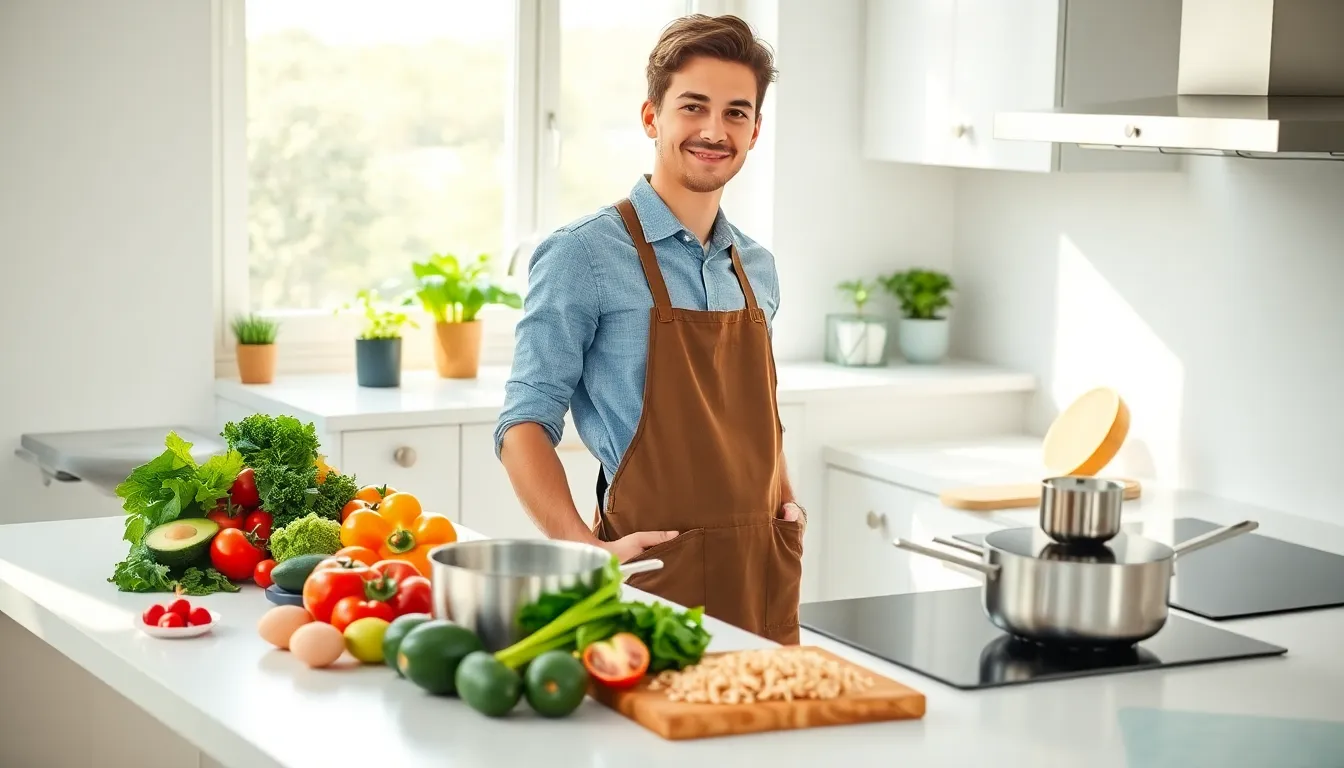
Healthy recipes strategies don’t require a culinary degree or hours in the kitchen. They require intention, a bit of planning, and a willingness to rethink how food fits into daily life. The good news? Small, consistent changes lead to big results over time.
Many people assume eating well means sacrificing flavor or spending more money. That’s a myth. With the right healthy recipes strategies in place, anyone can prepare nutritious meals that taste great and fit a reasonable budget. This article breaks down practical approaches, from meal planning to smart substitutions, that make healthy eating sustainable, not stressful.
Table of Contents
ToggleKey Takeaways
- Effective healthy recipes strategies start with planning meals around whole foods like vegetables, fruits, lean proteins, and whole grains.
- Batch cooking saves 30 to 60 minutes on weeknight meals by preparing staple ingredients once and mixing them throughout the week.
- Balance every meal with protein, carbohydrates, and healthy fats—fill half your plate with vegetables for optimal nutrition.
- Smart ingredient substitutions like Greek yogurt for sour cream or cauliflower rice for white rice boost nutrition without sacrificing flavor.
- A well-stocked kitchen with pantry staples, frozen vegetables, and fresh herbs makes healthy recipes strategies sustainable long-term.
Plan Your Meals Around Whole Foods
Whole foods form the foundation of any effective healthy recipes strategies plan. These include vegetables, fruits, lean proteins, whole grains, nuts, and seeds. They contain essential nutrients without the added sugars, sodium, and preservatives found in processed alternatives.
Start by building each meal around a vegetable or fruit. Think of protein and grains as supporting players, not the main event. A dinner plate might feature roasted broccoli and sweet potatoes, with grilled chicken on the side. This simple shift increases fiber intake and reduces empty calories.
Planning also saves time. Spend 15 minutes each weekend mapping out the week’s meals. Write a shopping list based on those recipes. This prevents impulse buys and reduces food waste. Studies show that meal planners eat more vegetables and spend less money at the grocery store.
Whole foods don’t have to be boring. Experiment with seasonings, herbs, and cooking methods. Roasting brings out natural sweetness in vegetables. A squeeze of lemon or a sprinkle of fresh herbs can transform a simple dish into something memorable.
Master Batch Cooking and Meal Prep
Batch cooking is one of the most practical healthy recipes strategies for busy people. The idea is simple: cook large quantities of staple ingredients once, then use them throughout the week.
Pick one or two days for prep. Cook a big batch of quinoa or brown rice. Roast a sheet pan of mixed vegetables. Grill several chicken breasts or prepare a pot of beans. Store these components separately in the refrigerator. When it’s time to eat, mix and match to create different meals.
This approach offers flexibility. Monday’s grain bowl becomes Wednesday’s stir-fry with the same base ingredients. Prepped vegetables work in salads, wraps, or as side dishes. Healthy recipes strategies like this save 30 to 60 minutes on weeknight cooking.
Invest in quality storage containers. Glass containers with tight lids keep food fresh longer and reheat well. Label everything with dates. Most prepped ingredients stay fresh for four to five days.
Batch cooking also reduces decision fatigue. When healthy options are ready to grab, people are less likely to order takeout or reach for processed snacks.
Focus on Balanced Macronutrients
A balanced plate includes protein, carbohydrates, and healthy fats. Each macronutrient plays a distinct role in the body. Protein builds and repairs tissue. Carbohydrates provide energy. Fats support brain function and hormone production.
Effective healthy recipes strategies ensure every meal contains all three. A breakfast of oatmeal with almond butter and berries hits all the marks. Lunch might be a salad with grilled salmon, chickpeas, avocado, and olive oil dressing.
Portion matters too. A useful guideline: fill half the plate with vegetables, one quarter with protein, and one quarter with whole grains or starchy vegetables. Add a thumb-sized portion of healthy fat.
Don’t fear carbohydrates. The body needs them. Choose complex carbs like sweet potatoes, oats, and legumes over refined options like white bread or sugary cereals. Complex carbs digest slowly and provide sustained energy.
Protein sources vary widely. Chicken, fish, eggs, tofu, tempeh, beans, and Greek yogurt all work. Rotating protein sources ensures a broader range of nutrients and keeps meals interesting.
Healthy fats come from avocados, nuts, seeds, olive oil, and fatty fish like salmon. These fats help the body absorb vitamins A, D, E, and K.
Make Smart Ingredient Substitutions
Small swaps can dramatically improve a recipe’s nutritional profile without sacrificing taste. Smart substitutions represent one of the easiest healthy recipes strategies to adopt immediately.
Swap white rice for cauliflower rice or quinoa. Use Greek yogurt instead of sour cream. Replace butter with mashed avocado in baking recipes. These changes cut calories and add nutrients.
Sugar substitutions matter too. Mashed bananas, unsweetened applesauce, or dates can sweeten baked goods naturally. Maple syrup or honey work in moderation when refined sugar feels unavoidable.
Flour alternatives open new possibilities. Almond flour, oat flour, and chickpea flour add protein and fiber to pancakes, muffins, and breading. They change texture slightly, so start with recipes designed for these alternatives.
Dairy swaps help those with sensitivities. Unsweetened almond milk, oat milk, or coconut milk replace cow’s milk in most recipes. Nutritional yeast adds a cheesy flavor to dishes without actual cheese.
The key is experimenting. Not every substitution works perfectly on the first try. Keep notes on what works and adjust ratios as needed.
Keep Your Kitchen Stocked With Staples
A well-stocked kitchen makes healthy cooking possible on busy nights. Stock the pantry with dried beans, lentils, whole grains, canned tomatoes, and low-sodium broths. These items have long shelf lives and form the base of countless healthy recipes strategies.
The refrigerator should hold fresh vegetables, eggs, Greek yogurt, hummus, and pre-washed greens. Keep lemons and limes on hand, they brighten any dish. Store fresh herbs in a glass of water to extend their life.
The freezer is an underrated ally. Frozen vegetables are flash-frozen at peak ripeness and retain most nutrients. Frozen berries, spinach, and mixed vegetables work for smoothies, stir-fries, and soups. Keep frozen fish fillets and chicken breasts for quick protein options.
Spices make healthy food taste great. Stock cumin, paprika, garlic powder, oregano, cinnamon, and black pepper at minimum. Fresh garlic and ginger add depth to almost any savory dish.
Having staples on hand removes excuses. When the ingredients are there, cooking a healthy meal takes the same time as waiting for delivery. Healthy recipes strategies succeed when the right tools are already in place.