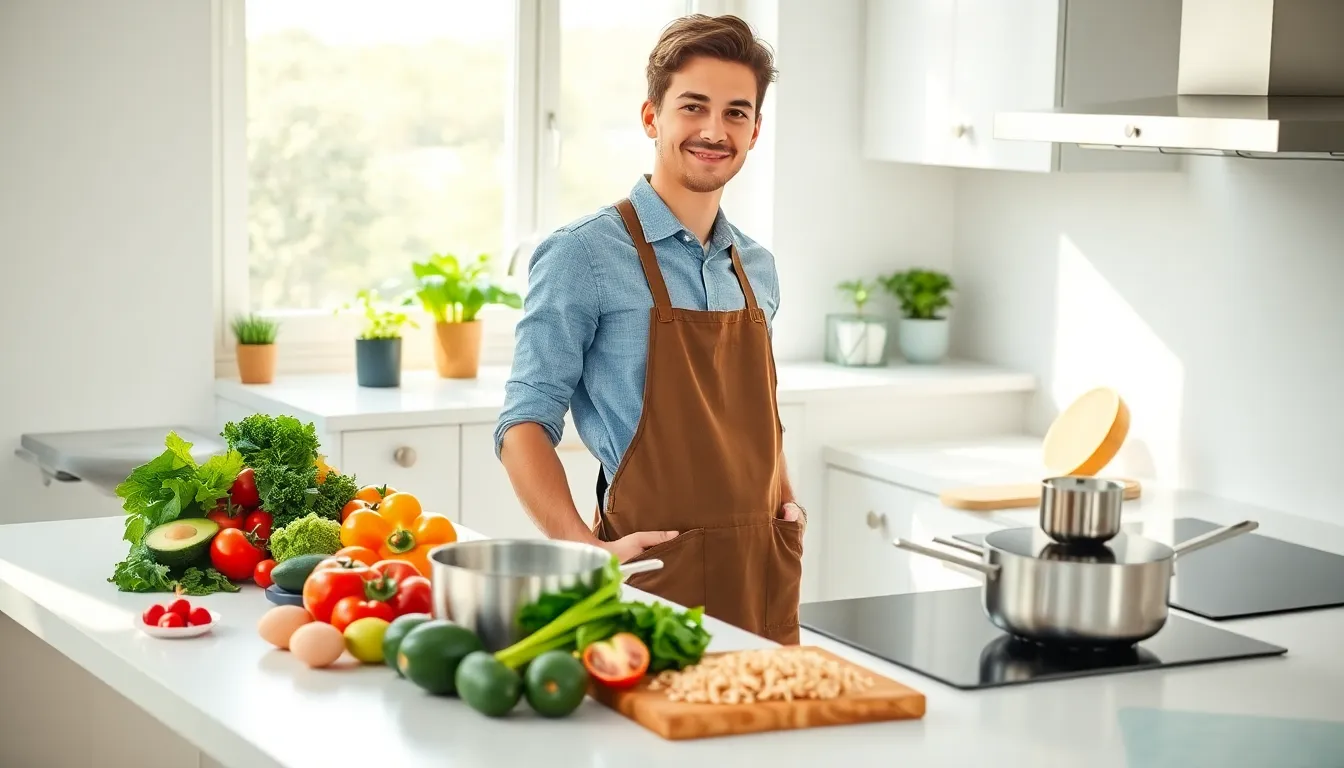
Healthy recipes trends 2026 are shaping up to bring exciting changes to kitchens everywhere. As the new year approaches, home cooks and food enthusiasts are looking for fresh ways to eat well without sacrificing flavor. From plant-based innovations to gut-friendly ingredients, 2026 promises a shift toward smarter, more sustainable eating habits.
This year’s healthy recipes trends reflect a growing awareness of how food choices impact both personal wellness and the planet. People want meals that taste great, support their health goals, and align with their values. The trends outlined below offer a preview of what’s coming, and practical ideas for anyone ready to refresh their cooking routine.
Table of Contents
ToggleKey Takeaways
- Plant-forward cooking leads healthy recipes trends 2026, putting vegetables, legumes, and grains at the center of the plate while reducing costs and environmental impact.
- Gut health remains a top priority, with fermented foods like kimchi and kefir, plus prebiotic-rich ingredients, appearing in everyday meals.
- Global flavors from Mediterranean, West African, and Middle Eastern cuisines are making healthy recipes more exciting and flavorful without extra calories.
- Sustainable, low-waste cooking practices—like using vegetable scraps for stock and meal planning to reduce spoilage—are becoming kitchen essentials.
- AI-powered apps and smart kitchen appliances are making personalized, nutritious meal planning easier and more accessible for home cooks.
Plant-Forward Cooking Takes Center Stage
Plant-forward cooking is one of the biggest healthy recipes trends 2026 will bring. This approach puts vegetables, legumes, grains, and fruits at the center of the plate. Meat and animal products still appear, but they play a supporting role rather than the main attraction.
Home cooks are discovering that plant-forward meals offer incredible variety. Think hearty lentil bolognese, roasted cauliflower steaks with chimichurri, or black bean tacos loaded with pickled onions and avocado crema. These dishes satisfy without relying on heavy proteins.
The shift isn’t just about health. Plant-forward cooking often costs less and has a smaller environmental footprint. A single serving of beef requires significantly more water and land than an equivalent serving of chickpeas. For budget-conscious families, this approach makes healthy recipes more accessible.
Expect to see more creative uses of vegetables in 2026. Carrot “bacon,” mushroom “scallops,” and beet-based desserts are gaining traction. These preparations highlight how versatile plants can be when given proper attention and technique.
Restaurants and meal kit services have already embraced this trend. Home kitchens are following suit. The result? More people are eating more vegetables, and actually enjoying them.
Functional Ingredients and Gut Health Focus
Gut health continues to drive healthy recipes trends 2026. Research linking the microbiome to mood, immunity, and overall wellness has reached mainstream awareness. People want to eat foods that actively support their digestive systems.
Fermented foods lead this category. Kimchi, sauerkraut, kefir, miso, and kombucha are appearing in recipes beyond their traditional uses. Home cooks are adding a spoonful of kimchi to grain bowls, stirring miso into salad dressings, and using kefir in smoothies and baked goods.
Prebiotic ingredients are also gaining attention. These fiber-rich foods feed beneficial gut bacteria. Garlic, onions, leeks, asparagus, bananas, and oats are simple additions that support digestive health. A morning oatmeal bowl with sliced banana and a drizzle of honey checks multiple boxes.
Adaptogens and functional mushrooms are showing up in more healthy recipes. Lion’s mane, reishi, and ashwagandha are being added to coffee, hot chocolate, and energy bites. While research on these ingredients is still developing, many people report improved focus and reduced stress.
The key with functional ingredients is balance. One trend worth watching: recipes that combine multiple gut-supporting elements without overwhelming the palate. A simple breakfast of yogurt with berries, granola, and a sprinkle of ground flaxseed delivers probiotics, prebiotics, and omega-3s in one bowl.
Global Flavors Meet Nutritious Eating
Healthy recipes trends 2026 are drawing inspiration from cuisines around the world. Home cooks are moving beyond bland “diet food” and embracing bold, authentic flavors that happen to be nutritious.
Mediterranean cooking remains popular for good reason. The emphasis on olive oil, fish, whole grains, and fresh vegetables aligns perfectly with modern health guidelines. But 2026 is expanding the map. West African peanut stews, Japanese donburi bowls, and Middle Eastern mezze spreads are entering regular rotation.
Spices are central to this trend. Turmeric, cumin, coriander, sumac, and gochugaru add depth and complexity to healthy recipes without extra calories or sodium. Many spices also carry anti-inflammatory properties, making them doubly beneficial.
One standout example: North African harissa paste. This chili-based condiment transforms roasted vegetables, grilled chicken, and simple soups. A little goes a long way, and it keeps well in the refrigerator.
Global flavors also introduce new-to-many ingredients. Freekeh from the Middle East, teff from Ethiopia, and black rice from Southeast Asia offer nutritional profiles that rival or exceed familiar grains. These options keep healthy eating interesting and prevent menu fatigue.
The fusion approach works too. Korean-Mexican tacos, Indian-inspired grain bowls, and Japanese-Peruvian ceviche prove that healthy recipes don’t have to stay in one lane.
Sustainable and Low-Waste Cooking Practices
Sustainability is shaping healthy recipes trends 2026 in meaningful ways. More home cooks are considering the environmental impact of their food choices alongside nutritional value.
Low-waste cooking starts with using whole ingredients. Carrot tops become pesto. Broccoli stems get sliced into stir-fries. Citrus peels are zested, candied, or dried for seasoning. These practices reduce food waste while adding flavor and nutrients that would otherwise hit the trash.
Root-to-stem and nose-to-tail cooking philosophies are gaining followers. Vegetable scraps make excellent stock. Stale bread transforms into croutons or breadcrumbs. Overripe fruit becomes the base for smoothies, baked goods, or homemade jams.
Meal planning plays a role here too. When people plan their weekly menus, they buy only what they need. This reduces spoilage and saves money. Batch cooking on weekends means fewer last-minute takeout orders during busy weekdays.
Seasonal eating supports sustainability and produces better-tasting healthy recipes. Tomatoes in August taste dramatically different from their pale January counterparts. Shopping at farmers markets or joining a CSA (community-supported agriculture) program connects cooks with local, seasonal produce.
Packaging matters as well. Bulk bins, reusable containers, and shopping bags are becoming standard for health-conscious consumers. The goal is a kitchen that produces minimal waste while maximizing nutrition.
Technology-Driven Meal Planning and Preparation
Technology is accelerating healthy recipes trends 2026 in practical ways. Smart kitchen tools and apps are making nutritious cooking easier and more accessible than ever.
AI-powered recipe apps can now generate personalized meal plans based on dietary restrictions, health goals, and ingredient preferences. Someone managing diabetes can receive recipes optimized for blood sugar control. A busy parent can get 30-minute dinner ideas that use what’s already in the pantry.
Smart kitchen appliances are removing barriers to healthy cooking. Air fryers produce crispy results with minimal oil. Instant Pots turn dried beans into dinner in under an hour. Smart ovens adjust temperature and timing automatically, reducing the risk of overcooked proteins or burnt vegetables.
Meal prep containers with portion-control compartments help people stick to their nutrition goals. Apps that track macros and micronutrients provide real-time feedback on eating patterns. These tools turn abstract health goals into concrete daily actions.
Grocery delivery services now offer “healthy basket” options curated around specific diets, keto, Mediterranean, whole30, and more. This convenience removes the friction between wanting to eat well and actually doing it.
Online communities and social platforms continue to spread healthy recipes quickly. A trending TikTok recipe can introduce millions of people to a new ingredient or technique overnight. The democratization of food knowledge means good ideas spread faster than ever.
The best technology supports rather than replaces cooking skills. People still want to chop, sauté, and season their own food. They just want tools that make the process smoother.