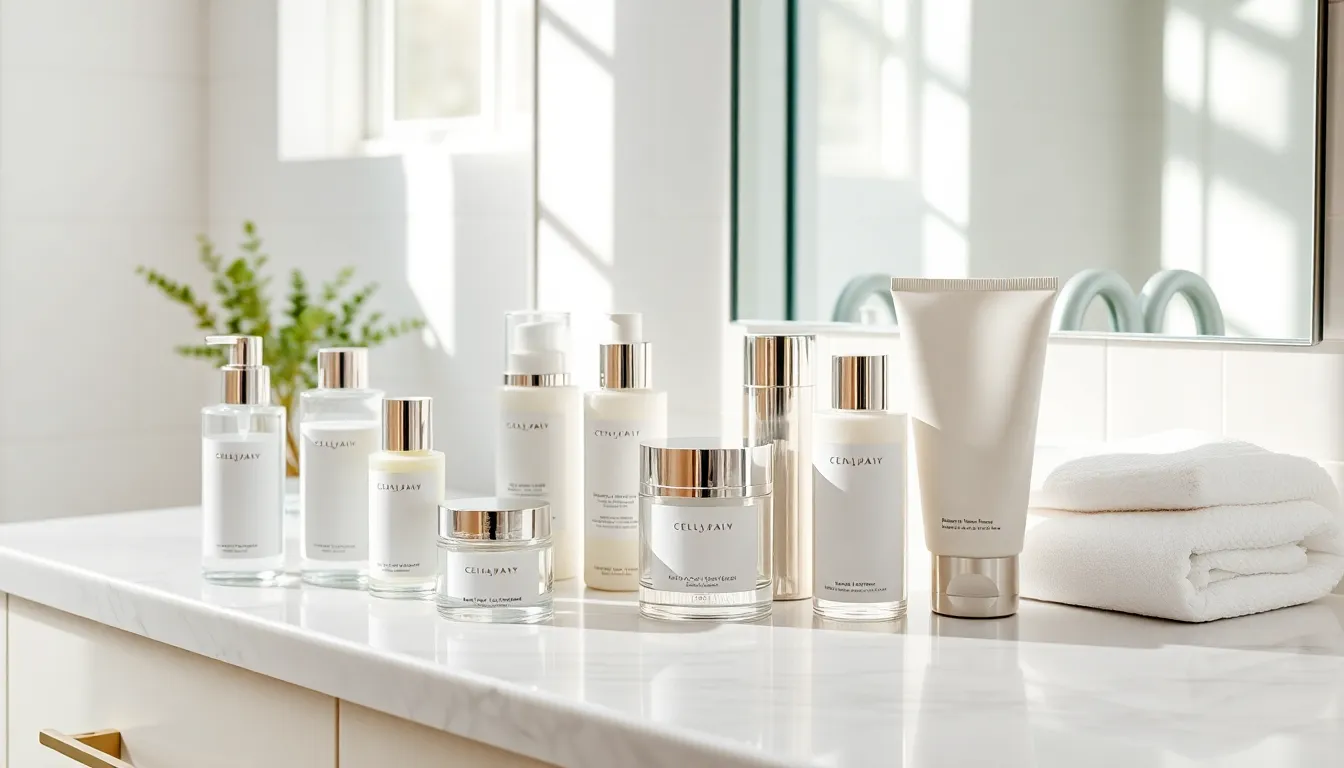
Learning how to skincare routines effectively can transform your skin over time. Many people struggle with choosing the right products or following the correct steps. A good skincare routine doesn’t need to be complicated. It requires understanding your skin’s needs and staying consistent. This guide breaks down how to create a skincare routine that fits your lifestyle and delivers real results. Whether someone has dry, oily, or combination skin, the principles remain the same. Read on to discover the essential steps, product timing, and daily habits that make a difference.
Table of Contents
ToggleKey Takeaways
- Identify your skin type first—oily, dry, combination, normal, or sensitive—to choose the right products for your skincare routine.
- A basic skincare routine requires only three essential steps: cleansing, moisturizing, and applying sunscreen daily.
- Even oily skin needs moisturizer; skipping it can trigger excess oil production as your skin compensates.
- Apply sunscreen (SPF 30 or higher) every day as the final step in your morning skincare routine, even on cloudy days.
- Add new products like serums or exfoliants one at a time, waiting at least two weeks before introducing another.
- Consistency matters more than complexity—a simple skincare routine you stick to outperforms an elaborate one you can’t maintain.
Understanding Your Skin Type
Before anyone starts building a skincare routine, they need to identify their skin type. This step matters because different skin types require different products and approaches.
The four main skin types are:
- Oily skin produces excess sebum, often resulting in shine and larger pores
- Dry skin feels tight and may show flaking or rough patches
- Combination skin has oily areas (usually the T-zone) and dry areas (cheeks)
- Normal skin stays balanced with minimal issues
There’s also sensitive skin, which reacts easily to products and environmental factors. Some people have sensitive skin alongside another type.
A simple way to determine skin type involves washing the face with a gentle cleanser, waiting one hour, and observing the results. Oily skin will show shine. Dry skin will feel uncomfortable. Combination skin will display both characteristics in different zones.
Knowing one’s skin type helps prevent wasted money on wrong products. It also reduces the risk of irritation or breakouts from mismatched ingredients. This foundation makes every other step in building a skincare routine more effective.
Essential Steps For A Basic Skincare Routine
A solid skincare routine starts with three core steps. These form the foundation that anyone can build upon. Getting these basics right matters more than owning dozens of expensive products.
Cleansing
Cleansing removes dirt, oil, makeup, and pollutants from the skin. Everyone should cleanse at least once daily, ideally twice.
For oily skin, gel or foaming cleansers work well. Dry skin benefits from cream or oil-based cleansers. Those with sensitive skin should look for fragrance-free formulas with minimal ingredients.
A common mistake is over-cleansing, which strips the skin and triggers more oil production. The face should feel clean but not tight after washing. Lukewarm water works best, hot water can damage the skin barrier.
Moisturizing
Moisturizing keeps the skin hydrated and protects its barrier. Yes, even oily skin needs moisture. Skipping this step can actually increase oil production as the skin tries to compensate.
Lightweight, water-based moisturizers suit oily skin types. Thicker creams with ingredients like hyaluronic acid or ceramides help dry skin retain moisture. The best time to apply moisturizer is right after cleansing while the skin is still slightly damp.
Many people underestimate how much moisturizer contributes to a successful skincare routine. Consistent use improves texture, reduces fine lines, and keeps skin looking healthy.
Sun Protection
Sunscreen is non-negotiable. UV damage causes premature aging, dark spots, and increases skin cancer risk. Dermatologists recommend SPF 30 or higher for daily use.
Chemical sunscreens absorb UV rays while mineral sunscreens (containing zinc oxide or titanium dioxide) reflect them. Either type works, the best sunscreen is one that gets used every day.
Apply sunscreen as the final step in a morning skincare routine, even on cloudy days. UV rays penetrate clouds and windows. Reapplication every two hours is ideal during prolonged sun exposure.
When To Add Extra Products
Once someone masters the basic three-step skincare routine, they might want to address specific concerns. This is where additional products come in.
Serums deliver concentrated active ingredients. Vitamin C brightens skin tone. Niacinamide reduces redness and pores. Retinol boosts cell turnover and fights signs of aging. These go on after cleansing but before moisturizing.
Exfoliants remove dead skin cells and improve texture. Chemical exfoliants (AHAs and BHAs) tend to be gentler than physical scrubs. Most people only need to exfoliate one to three times per week.
Eye creams target the delicate under-eye area. They can help with dark circles, puffiness, or fine lines. Not everyone needs a separate eye cream, but those with specific concerns may benefit.
Here’s the key: add one new product at a time. Wait at least two weeks before introducing another. This approach makes it easier to identify what works and what causes problems.
More products don’t always mean better results. A simple, consistent skincare routine often outperforms a complicated one that’s hard to maintain.
Morning Vs. Nighttime Routines
Morning and nighttime skincare routines serve different purposes. Understanding this distinction helps people get better results from their products.
Morning routines focus on protection. The skin faces pollution, UV rays, and environmental stressors throughout the day. A typical morning skincare routine includes:
- Gentle cleanser (or just water for dry skin types)
- Antioxidant serum (like vitamin C)
- Moisturizer
- Sunscreen
Nighttime routines focus on repair and recovery. The skin regenerates while we sleep, making this the ideal time for treatment products. A typical evening skincare routine includes:
- Cleanser (double cleansing if wearing makeup or sunscreen)
- Treatment products (retinol, exfoliants, or targeted serums)
- Heavier moisturizer or night cream
Retinol and other active ingredients often increase sun sensitivity. Using them at night reduces this risk.
People with busy schedules can simplify. A nighttime skincare routine of just cleansing and moisturizing still delivers benefits. Consistency beats perfection every time.