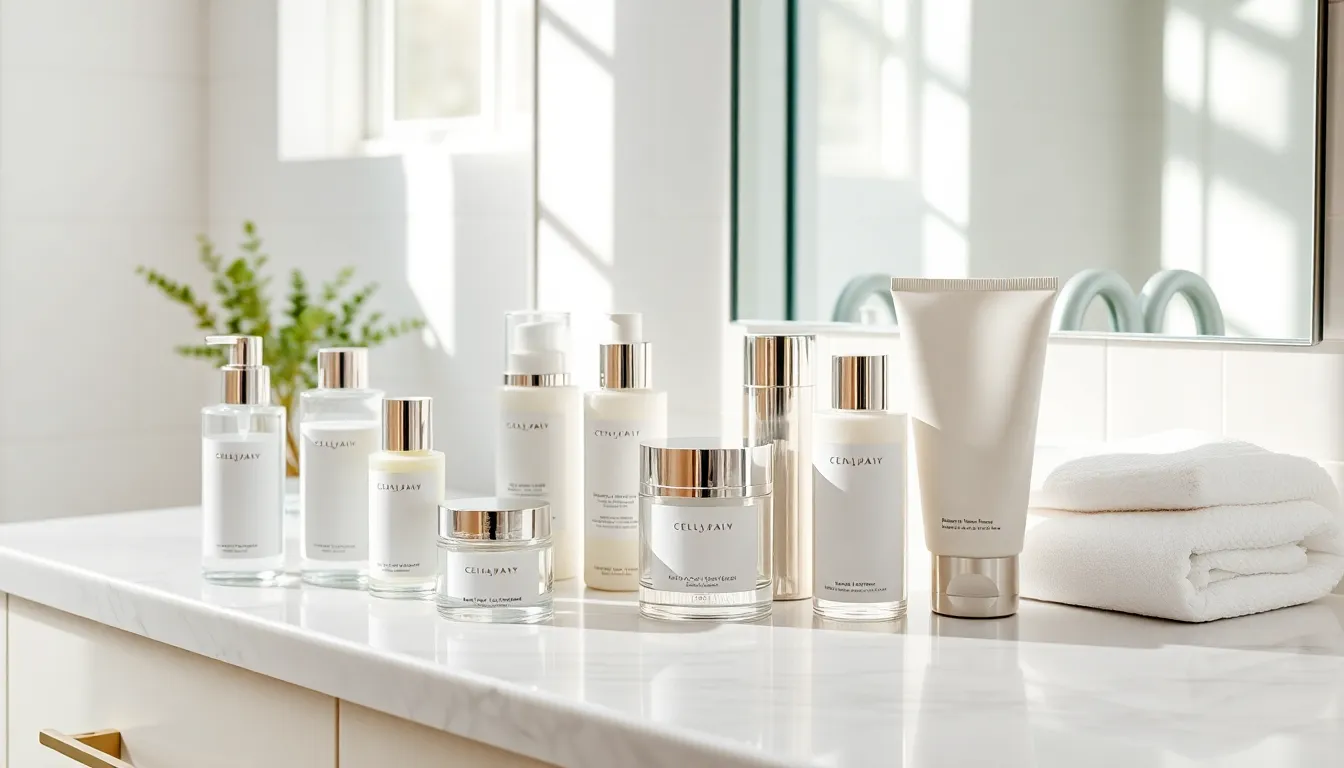
Good skincare routines examples can transform anyone’s complexion. A clear, consistent regimen helps protect skin from damage, reduce breakouts, and slow visible aging. Yet many people struggle to build a routine that actually works for their unique skin type.
This guide breaks down practical skincare routines examples for morning, evening, and beginner-friendly approaches. It also covers how to adjust each routine based on whether skin runs oily, dry, combination, or sensitive. By the end, readers will have a solid framework to build their own effective daily regimen.
Table of Contents
ToggleKey Takeaways
- Effective skincare routines examples include morning protection steps (cleanser, serum, moisturizer, sunscreen) and evening repair steps (double cleanse, treatments, night cream).
- Beginners can start with just three products—cleanser, moisturizer, and sunscreen—and add treatments gradually over time.
- Sunscreen is the most critical step in any routine, as UV exposure causes up to 90% of visible skin aging.
- Tailor your skincare routine to your skin type: gel formulas for oily skin, cream-based products for dry skin, and fragrance-free options for sensitive skin.
- Consistency matters more than complexity—a simple routine done daily delivers better results than an elaborate one done occasionally.
- Introduce new products one at a time and wait at least two weeks before adding another to identify what works for your skin.
Morning Skincare Routine Basics
Morning skincare routines examples typically focus on protection and hydration. The goal is to prep skin for the day ahead while shielding it from environmental stressors like UV rays and pollution.
Cleanser
A gentle cleanser removes overnight oil and product residue. Foaming or gel formulas work well for oily skin, while cream cleansers suit dry or sensitive types. Cleansing should take about 30 seconds, no need to scrub hard.
Toner (Optional)
Toners balance the skin’s pH after cleansing. Some toners add hydration, others help control excess oil. This step is optional but can boost the effectiveness of products applied afterward.
Serum
Morning serums often contain vitamin C. This antioxidant fights free radical damage and brightens skin tone over time. A few drops applied to clean skin absorb quickly and layer well under moisturizer.
Moisturizer
Even oily skin needs moisture. Lightweight, oil-free formulas prevent dehydration without clogging pores. Dry skin types benefit from richer creams with ingredients like hyaluronic acid or ceramides.
Sunscreen
Sunscreen is non-negotiable. Dermatologists recommend SPF 30 or higher, applied as the final step every single morning. UV exposure causes up to 90% of visible skin aging, so this step matters more than any serum or cream.
A solid morning routine takes five to ten minutes. Consistency beats perfection, sticking to these basics daily delivers better results than an elaborate routine done sporadically.
Evening Skincare Routine Essentials
Evening skincare routines examples shift focus from protection to repair. Skin regenerates faster at night, making this the ideal time for active treatments.
Double Cleanse
Makeup wearers and sunscreen users benefit from double cleansing. An oil-based cleanser first dissolves makeup and sunscreen. A water-based cleanser follows to remove remaining dirt and impurities. This two-step method leaves skin truly clean without stripping it.
Exfoliant (2-3 Times Weekly)
Exfoliation removes dead skin cells that dull the complexion. Chemical exfoliants like AHAs or BHAs work more gently than physical scrubs. Most people should exfoliate two to three times per week, not daily, as over-exfoliation irritates skin.
Treatment Products
Retinoids are the gold standard for anti-aging. They boost collagen production and speed cell turnover. Beginners should start with a low concentration and build tolerance gradually. Other treatment options include niacinamide for pores, or benzoyl peroxide for acne.
Eye Cream
The skin around eyes is thinner and shows aging first. Eye creams target fine lines, dark circles, and puffiness. A pea-sized amount patted gently with the ring finger works best.
Night Moisturizer or Sleeping Mask
Night creams tend to be thicker than daytime formulas. They lock in moisture and support the skin’s overnight repair process. Sleeping masks offer an extra boost of hydration for those with very dry skin.
Evening routines can take ten to fifteen minutes. The payoff is smoother, clearer skin that looks rested each morning.
Simple Routine for Beginners
Beginners often feel overwhelmed by lengthy product lists. The truth is, effective skincare routines examples don’t require ten steps. Three core products can deliver real results.
The Three-Step Approach
- Cleanser: Wash the face morning and night. Pick a formula suited to skin type.
- Moisturizer: Apply after cleansing to lock in hydration.
- Sunscreen: Use every morning, even on cloudy days.
That’s it. This simple routine protects skin and maintains its barrier function. Once these habits are established, beginners can add one product at a time, like a serum or treatment, to address specific concerns.
Tips for Getting Started
- Introduce new products one at a time, waiting at least two weeks before adding another. This approach makes it easier to identify what works and what causes irritation.
- Read ingredient labels. Fragrance and alcohol can irritate sensitive skin.
- Patch test new products on the inner arm or behind the ear before applying to the face.
Simplicity wins. A basic routine done consistently beats an elaborate one abandoned after two weeks.
Routine Adjustments for Different Skin Types
Skincare routines examples need adjustment based on individual skin type. What works for oily skin may harm dry skin, and vice versa.
Oily Skin
Oily skin produces excess sebum and is prone to enlarged pores and breakouts. Gel-based cleansers and lightweight, oil-free moisturizers work best. Look for products labeled “non-comedogenic” to avoid clogged pores. Niacinamide helps control oil production. Salicylic acid treats and prevents acne.
Dry Skin
Dry skin lacks moisture and may feel tight or flaky. Cream cleansers preserve natural oils while still removing dirt. Rich moisturizers with hyaluronic acid, glycerin, or ceramides restore hydration. Avoid alcohol-based toners, which strip moisture further.
Combination Skin
Combination skin is oily in the T-zone (forehead, nose, chin) and dry on cheeks. Multi-masking, applying different products to different areas, can help. A lightweight moisturizer suits the oily zones, while a richer formula hydrates dry patches.
Sensitive Skin
Sensitive skin reacts easily to products, showing redness, stinging, or irritation. Fragrance-free, hypoallergenic formulas reduce the risk of reactions. Fewer products mean fewer potential irritants. Patch testing is essential before trying anything new.
Understanding skin type makes building an effective routine much easier. The best skincare routines examples are those adapted to individual needs rather than copied wholesale from someone else.