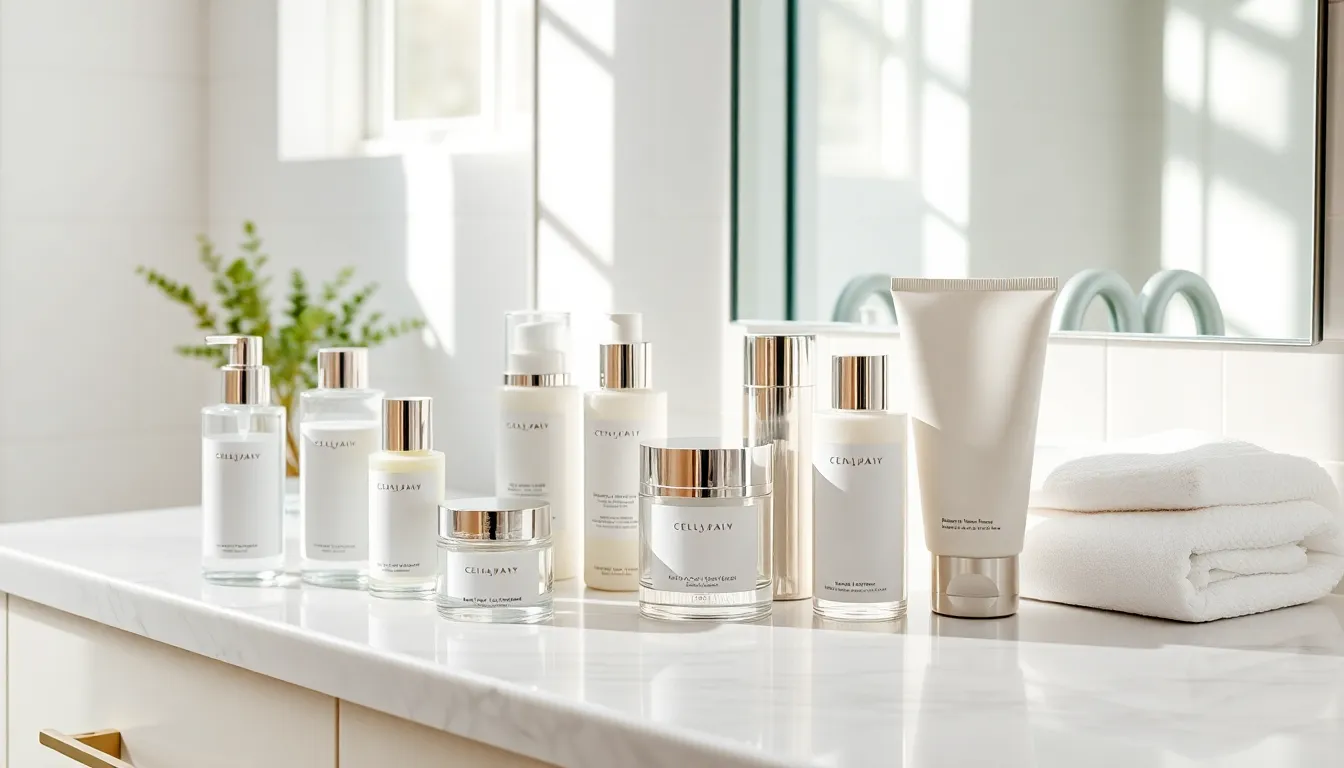
Finding the right skincare routine ideas can transform dull, tired skin into a radiant, healthy complexion. The secret isn’t expensive products or complicated steps. It’s consistency and knowing what your skin actually needs.
A solid skincare routine protects skin from daily damage, fights signs of aging, and addresses specific concerns like acne or dryness. Whether someone is starting from scratch or refining their current approach, the right routine makes a noticeable difference within weeks.
This guide breaks down morning and evening routines, explains how to adjust for different skin types, and covers weekly treatments that deliver real results.
Table of Contents
ToggleKey Takeaways
- Effective skincare routines focus on consistency and understanding your skin’s unique needs rather than expensive products.
- A complete morning skincare routine includes cleanser, toner, vitamin C serum, moisturizer, and SPF 30+ sunscreen—taking just five minutes once it becomes habit.
- Evening skincare routines do the heavy lifting with double cleansing, treatment products like retinol, and richer moisturizers to support overnight skin repair.
- Tailor your skincare routine ideas to your specific skin type—oily, dry, combination, sensitive, or acne-prone—for the best results.
- Weekly treatments like face masks, at-home peels, and facial massage boost your daily routine and deliver noticeable improvements in skin health.
- Visible results from a consistent skincare routine typically appear within four to six weeks.
Building a Morning Skincare Routine
A morning skincare routine sets the foundation for healthy skin throughout the day. It focuses on protection and hydration rather than deep treatment.
Cleanser
Start with a gentle cleanser. Morning cleansing removes oils that build up overnight and preps skin for other products. A mild, hydrating formula works best, there’s no need for anything harsh first thing.
Toner
Toner balances the skin’s pH after cleansing. It also helps subsequent products absorb better. Look for alcohol-free options with hydrating ingredients like hyaluronic acid or soothing chamomile.
Serum
Morning serums should focus on antioxidants. Vitamin C is the gold standard here. It fights free radical damage from pollution and UV exposure while brightening skin tone over time.
Moisturizer
Even oily skin needs moisture. A lightweight, non-comedogenic moisturizer keeps skin balanced and prevents overproduction of oil. Those with dry skin can opt for richer formulas.
Sunscreen
This step isn’t optional. SPF 30 or higher protects against UV damage, which causes up to 90% of visible skin aging. Apply it as the final step every single morning, rain or shine.
The entire morning skincare routine takes about five minutes once it becomes habit.
Essential Steps for Your Evening Routine
Evening skincare routines do the heavy lifting. Skin repairs itself during sleep, so nighttime products should focus on treatment and recovery.
Double Cleanse
Start with an oil-based cleanser to dissolve makeup, sunscreen, and sebum. Follow with a water-based cleanser to remove any remaining dirt. This two-step process ensures truly clean skin without stripping moisture.
Exfoliation (2-3 Times Weekly)
Exfoliating removes dead skin cells that make complexions look dull. Chemical exfoliants like AHAs or BHAs work more gently than physical scrubs. Don’t overdo it, two to three times per week is plenty.
Treatment Products
Nighttime is ideal for active ingredients. Retinol boosts cell turnover and reduces fine lines. Niacinamide minimizes pores and evens skin tone. Peptides support collagen production.
Apply treatments from thinnest to thickest consistency for best absorption.
Eye Cream
The skin around eyes is thinner and more delicate. A dedicated eye cream addresses concerns like dark circles, puffiness, and fine lines. Gently pat, never rub, the product around the orbital bone.
Night Moisturizer or Sleeping Mask
Finish with a richer moisturizer than the morning formula. Night creams often contain ingredients that don’t play well with sunlight, like certain peptides. Sleeping masks provide an extra boost of hydration for those who need it.
An effective evening skincare routine takes about ten minutes and delivers visible results within four to six weeks.
Tailoring Your Routine to Your Skin Type
The best skincare routine ideas mean nothing if they don’t match individual skin needs. Here’s how to adjust:
Oily Skin
Oily skin benefits from lightweight, water-based products. Gel cleansers and oil-free moisturizers prevent clogged pores. Niacinamide and salicylic acid help control excess sebum. Skip heavy creams and occlusive ingredients.
Dry Skin
Dry skin craves hydration. Cream cleansers, hyaluronic acid serums, and rich moisturizers restore moisture levels. Look for ingredients like ceramides and squalane. Avoid foaming cleansers that strip natural oils.
Combination Skin
Combination skin requires a balanced approach. Use gentle products that won’t aggravate either oily or dry areas. Some people apply different products to different zones, lighter formulas on the T-zone, richer ones on cheeks.
Sensitive Skin
Sensitive skin reacts easily to new products. Stick to fragrance-free formulas with minimal ingredients. Introduce new products one at a time and wait two weeks before adding another. Centella asiatica and aloe vera soothe irritation.
Acne-Prone Skin
Acne-prone skin responds well to salicylic acid, benzoyl peroxide, and retinoids. Non-comedogenic products are essential. Resist the urge to over-cleanse or use too many actives at once, this often makes breakouts worse.
Skin type can change with seasons, age, and hormones. Reassess the skincare routine every few months.
Simple Weekly Treatments to Boost Results
Daily skincare routines handle the basics. Weekly treatments take results to another level.
Face Masks
Clay masks absorb excess oil and minimize pores. Hydrating sheet masks plump and refresh tired skin. Multi-masking, applying different masks to different areas, addresses multiple concerns at once.
One to two masks per week is sufficient for most people.
At-Home Peels
Chemical peels with glycolic or lactic acid provide deeper exfoliation than daily products. They brighten dull skin and improve texture. Start with lower concentrations and work up gradually.
Facial Massage
Facial massage boosts circulation and helps products absorb. It also reduces puffiness and creates a natural lift over time. Gua sha tools and jade rollers make the process easier. Five minutes once or twice weekly shows results.
Spot Treatments
For occasional breakouts, hydrocolloid patches or benzoyl peroxide spot treatments work overnight. Apply after serums but before moisturizer.
These weekly additions to any skincare routine don’t require much time but significantly improve overall skin health.