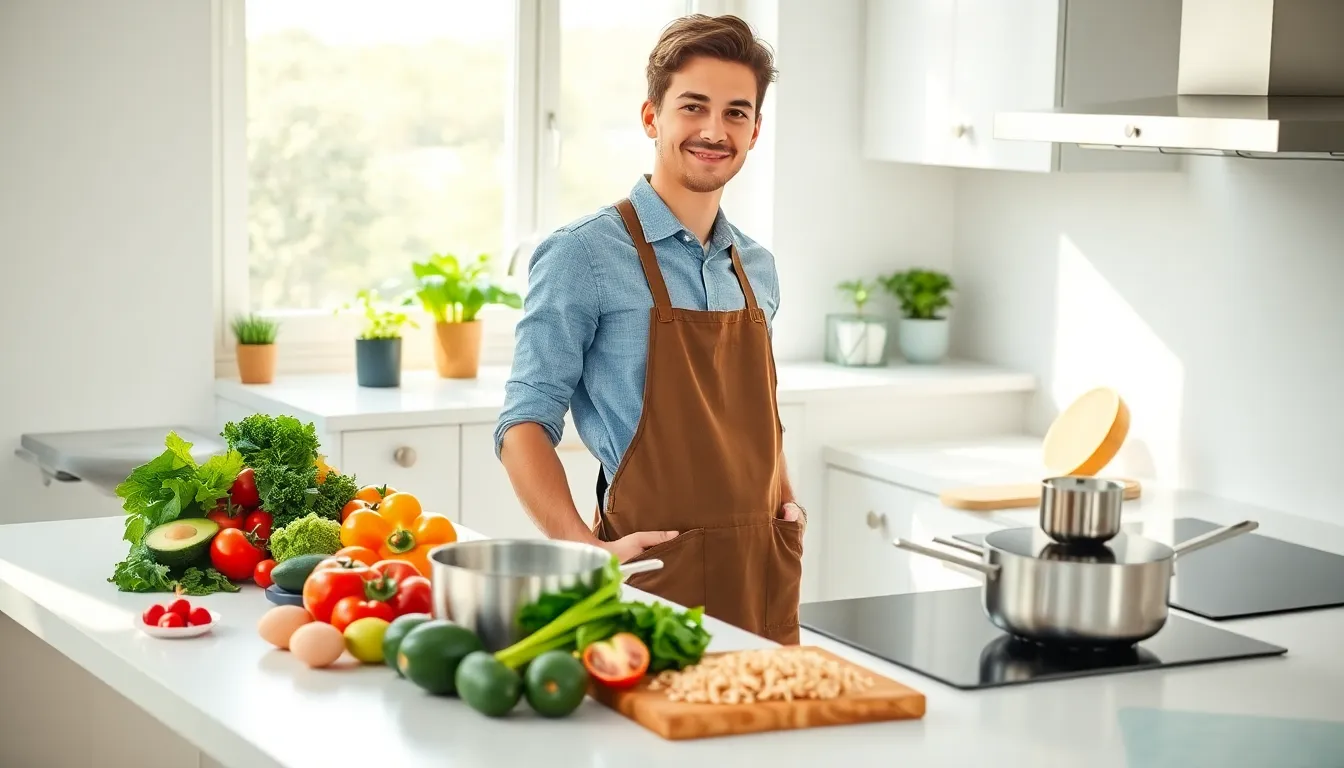
Healthy recipes techniques can transform ordinary meals into nutrient-packed dishes without sacrificing flavor. The way food is prepared matters just as much as the ingredients themselves. A perfectly fresh vegetable can lose half its vitamins through improper cooking, while a simple change in method can preserve nutrients and cut unnecessary fat. This guide covers practical cooking methods that keep meals nutritious and delicious. From steaming to flavor-boosting strategies, these healthy recipes techniques help anyone create better meals at home.
Table of Contents
ToggleKey Takeaways
- Healthy recipes techniques like steaming preserve up to 90% of nutrients compared to just 25% when boiling vegetables.
- Low-fat cooking methods such as grilling, roasting, and poaching enhance natural flavors without adding unnecessary calories.
- Minimize nutrient loss by cooking vegetables briefly, using minimal water, and keeping pieces large.
- Fresh herbs, citrus, spices, and acids boost flavor without adding extra fat or calories to healthy recipes.
- Proper cooking techniques can mean the difference between a 160-calorie baked potato and a 400-calorie fried version.
- Keep vegetable skins intact and prep produce within an hour of cooking for maximum nutritional benefit.
Why Cooking Techniques Matter for Healthier Meals
The cooking method chosen affects a meal’s nutritional value more than most people realize. High heat and prolonged cooking times break down vitamins, particularly water-soluble ones like vitamin C and B vitamins. Frying adds significant calories from oil absorption, while boiling can leach minerals into water that gets discarded.
Healthy recipes techniques focus on minimizing nutrient loss while maximizing taste. Research shows that certain cooking methods retain up to 90% of a food’s original nutrients, while others preserve less than half. The difference between a vitamin-rich dinner and a nutritionally empty one often comes down to how the food was prepared.
Beyond nutrients, cooking techniques influence calorie content. A baked potato contains roughly 160 calories. That same potato, sliced and fried, can exceed 400 calories. Understanding which methods add fat and which preserve natural flavors helps create meals that satisfy without excess calories.
Healthy recipes techniques also affect texture and taste. Properly cooked vegetables maintain their natural crunch and bright colors. Overcooked versions turn mushy and gray. When food looks and tastes better, people eat more of it, which matters when the goal is increasing vegetable intake.
Essential Low-Fat Cooking Methods
Several cooking methods produce excellent results without requiring added fats. These healthy recipes techniques rely on heat, moisture, or air circulation to cook food thoroughly while preserving its natural qualities.
Steaming and Poaching
Steaming ranks among the best healthy recipes techniques for vegetables, fish, and poultry. Food cooks suspended above boiling water, so nutrients don’t leach into liquid. Steamed broccoli retains up to 90% of its vitamin C, compared to just 25% when boiled.
A basic steamer basket fits inside most pots and costs under ten dollars. For best results, cut vegetables into uniform pieces so they cook evenly. Dense vegetables like carrots need 8-10 minutes, while tender greens require only 3-4 minutes.
Poaching uses gently simmering liquid, usually water, broth, or wine, to cook delicate proteins. Eggs, chicken breasts, and fish fillets turn out moist and tender without any added oil. The liquid temperature should stay between 160-180°F, with small bubbles barely breaking the surface. Higher temperatures toughen proteins.
Grilling and Roasting
Grilling applies direct high heat that sears the outside of food quickly. Fat drips away from the food rather than pooling around it. This makes grilling ideal for naturally fatty foods like salmon or chicken thighs. The high heat also creates caramelization that adds deep, savory flavors.
Roasting uses dry oven heat to cook food evenly. Vegetables develop concentrated sweetness when roasted at 400-425°F. Their natural sugars caramelize, creating crispy edges and tender centers. A light coating of olive oil, about one tablespoon per sheet pan, helps achieve browning without excessive calories.
Both methods work well for healthy recipes techniques because they enhance natural flavors. Food tastes more satisfying, reducing the need for heavy sauces or excessive seasoning.
Tips for Preserving Nutrients While Cooking
Smart preparation habits protect the vitamins and minerals in food. These healthy recipes techniques apply regardless of the cooking method chosen.
Cook vegetables for the shortest time possible. The longer food is exposed to heat, the more nutrients break down. Test vegetables with a fork, they should be tender but still have some resistance. Mushy usually means overcooked and nutrient-depleted.
Use minimal water. Water-soluble vitamins escape into cooking liquid. If boiling is necessary, use just enough water to cover the food. Better yet, save that water for soups or sauces to recapture lost nutrients.
Keep pieces large. Smaller cuts expose more surface area to heat and water, increasing nutrient loss. Cutting vegetables after cooking, rather than before, preserves more of their nutritional content.
Avoid removing skins when possible. Potato skins, apple peels, and carrot skins contain concentrated fiber and nutrients. A scrub with a brush removes dirt while keeping the nutritious outer layer intact.
Don’t prep too far ahead. Cut vegetables start losing vitamins immediately upon exposure to air. Prepare produce within an hour of cooking for maximum nutritional benefit. These healthy recipes techniques take minimal extra effort but make a real difference in meal quality.
Flavor-Boosting Strategies Without Extra Calories
Healthy recipes techniques don’t mean bland food. Several strategies add significant flavor without piling on calories or fat.
Fresh herbs transform simple dishes. Basil brightens tomato-based recipes. Cilantro adds punch to Mexican and Asian cuisines. Rosemary and thyme complement roasted vegetables. Add delicate herbs like parsley at the end of cooking to preserve their flavor and color.
Citrus juice and zest provide brightness that makes other flavors pop. A squeeze of lemon over steamed fish or a lime finish on grilled chicken wakes up the entire dish. Zest contains concentrated oils that deliver flavor without any liquid.
Spices add depth without calories. Cumin, paprika, cinnamon, and curry powder build complex flavor profiles. Toast whole spices in a dry pan for 30 seconds to intensify their taste before grinding.
Acid balances richness. A splash of vinegar or citrus at the end of cooking sharpens flavors and reduces the need for salt. This technique works especially well with fatty fish, roasted vegetables, and grain dishes.
Aromatic bases create flavor foundations. Sautéing onions, garlic, and ginger in a small amount of oil builds the flavor base for countless healthy recipes techniques. The aroma compounds developed during cooking contribute taste that requires no additional fat.