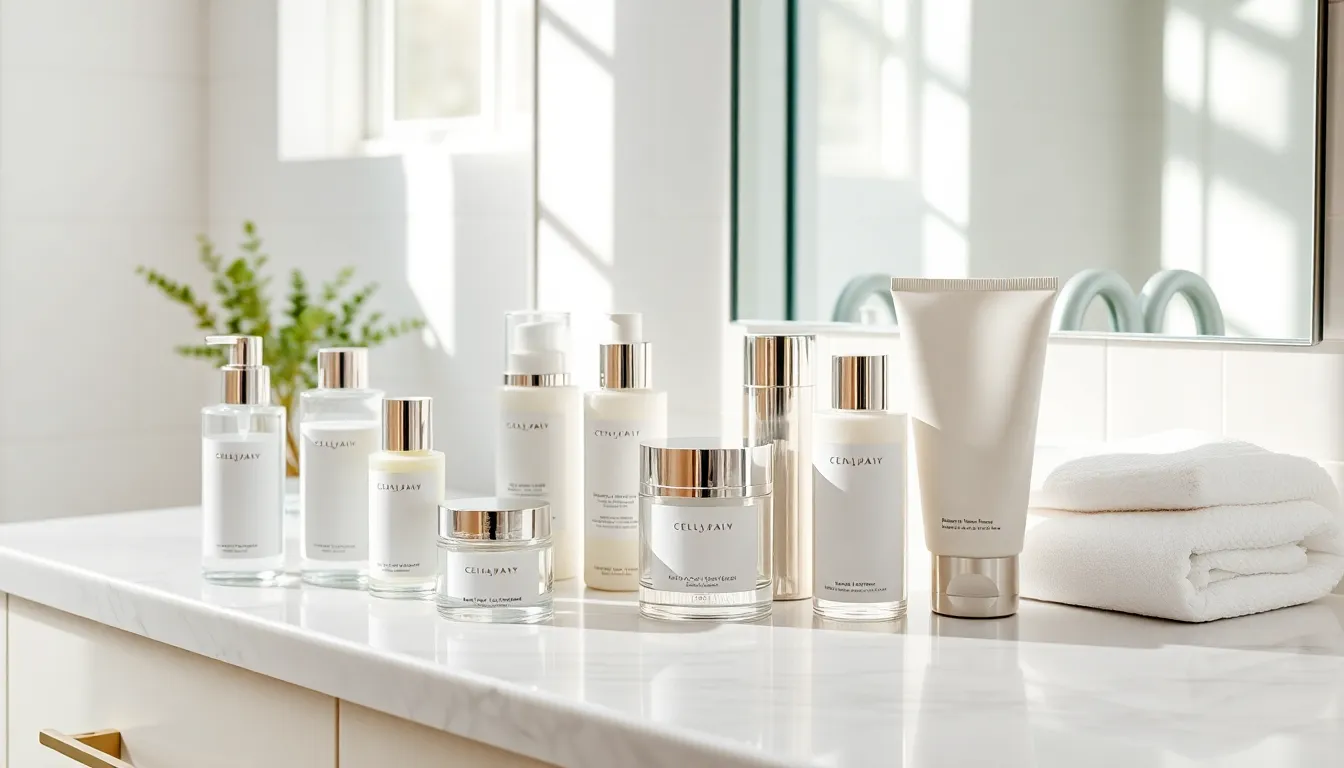
Skincare routines vs. single-product approaches, it’s a debate that sparks strong opinions in beauty circles. Some people swear by their 10-step regimens, while others prefer one trusted product and call it a day. Both methods have loyal followers, and both can deliver real results.
So which approach actually works better? The answer depends on skin type, lifestyle, and personal goals. This guide breaks down the key differences between multi-step skincare routines and minimalist strategies. By the end, readers will know exactly which path suits their skin best.
Table of Contents
ToggleKey Takeaways
- Skincare routines with multiple steps allow you to target several concerns like aging, acne, and dryness simultaneously with specialized products.
- Minimalist skincare works better for sensitive skin, busy lifestyles, budget constraints, or those already blessed with healthy skin.
- Consistency matters more than complexity—a simple routine followed daily outperforms an elaborate one used sporadically.
- Start with the basics (cleanser, moisturizer, sunscreen) and gradually add treatment products to find what your skin tolerates best.
- Neither skincare routines nor single-product approaches are inherently superior—the right choice depends on your skin type, goals, and lifestyle.
What Defines a Skincare Routine?
A skincare routine is a sequence of products applied in a specific order. Most routines follow a logical progression: cleanse, treat, moisturize, protect. Each step serves a distinct purpose, and the products work together to address multiple skin concerns.
A basic skincare routine typically includes three to four steps:
- Cleanser – Removes dirt, oil, and makeup
- Serum or treatment – Targets specific issues like acne, dark spots, or fine lines
- Moisturizer – Hydrates and strengthens the skin barrier
- Sunscreen – Protects against UV damage (morning only)
More advanced skincare routines might add toners, essences, eye creams, face oils, and exfoliants. Some people follow different routines for morning and evening. The morning skincare routine often focuses on protection, while the evening routine emphasizes repair and treatment.
Single-product approaches, by contrast, rely on one versatile product, or maybe two. Think of someone who uses only a moisturizer with SPF in the morning and a gentle cleanser at night. That’s it. No serums, no toners, no multi-step process.
Neither approach is inherently superior. They simply serve different needs and preferences.
Benefits of Multi-Step Skincare Routines
Multi-step skincare routines offer several advantages that single products can’t replicate. Here’s why many people prefer a layered approach.
Targeted Treatment for Multiple Concerns
Skin rarely has just one issue. Someone might deal with dryness, occasional breakouts, and early signs of aging all at once. A complete skincare routine allows users to address each concern with specialized products. A vitamin C serum brightens, a retinol treats fine lines, and a niacinamide product controls oil, all in one routine.
Better Ingredient Penetration
Layering products in the correct order maximizes absorption. Lightweight serums go on first, followed by heavier creams. This sequence helps active ingredients penetrate deeper into the skin. A single all-in-one product can’t deliver the same level of ingredient concentration.
Flexibility and Customization
Skincare routines adapt to seasonal changes and shifting skin needs. In winter, someone might add a facial oil for extra moisture. During summer, they might swap heavy creams for lighter gels. This flexibility keeps skin balanced year-round.
Self-Care Ritual
Let’s be honest, there’s something satisfying about a full skincare routine. The process becomes a daily ritual, a few minutes of dedicated self-care. Many people find this routine relaxing and even meditative.
Studies suggest consistent skincare habits correlate with better long-term skin health. A 2019 survey by the American Academy of Dermatology found that people who followed regular skincare routines reported higher satisfaction with their skin’s appearance.
When Minimalist Skincare Works Better
Multi-step skincare routines aren’t right for everyone. Sometimes less really is more. Here’s when a minimalist approach makes sense.
Sensitive or Reactive Skin
More products mean more potential irritants. People with sensitive skin often react poorly to layered routines. Their skin barrier may struggle to tolerate multiple active ingredients at once. A simple routine, cleanser, moisturizer, sunscreen, reduces the risk of irritation and inflammation.
Busy Lifestyles
Not everyone has 15 minutes to dedicate to skincare morning and night. Parents, shift workers, and frequent travelers often need streamlined routines. A minimalist skincare routine takes seconds, not minutes. That consistency matters more than complexity.
Budget Constraints
Quality skincare products cost money. An extensive routine with serums, essences, and specialty treatments adds up quickly. Minimalist approaches let people invest in fewer, higher-quality products rather than spreading their budget thin across many items.
Already Healthy Skin
Some people simply have good skin. Their genetics blessed them with balanced oil production, minimal breakouts, and even tone. These lucky individuals don’t need elaborate skincare routines to maintain their complexion. Basic cleansing and moisturizing keeps their skin happy.
Skin Barrier Recovery
Over-exfoliation and product overload can damage the skin barrier. Dermatologists often recommend stripping routines back to basics during recovery periods. A minimal skincare routine gives the skin time to heal without additional stress.
How to Choose the Right Approach for Your Skin
Choosing between skincare routines vs. minimalist methods comes down to a few key factors. Here’s a framework for making the right decision.
Assess Your Skin Concerns
Start by listing current skin issues. Multiple concerns (aging, acne, hyperpigmentation, dryness) often benefit from multi-step skincare routines. Single concerns might respond well to a simpler approach.
Consider Your Commitment Level
Be realistic. A 10-step routine sounds great in theory, but will it actually happen every day? Consistency beats complexity. A simple routine followed daily outperforms an elaborate routine used sporadically.
Evaluate Your Skin’s Tolerance
Sensitive skin types should start minimal and add products slowly. Introduce one new product every two weeks to identify potential irritants. Resilient skin types can handle more products and active ingredients.
Think About Your Budget
Set a monthly skincare budget before shopping. Multi-step routines require ongoing investment in multiple products. Minimalist routines allow for splurging on one or two premium items.
Start Simple, Build Gradually
Dermatologists recommend this approach for almost everyone. Begin with the basics, cleanser, moisturizer, sunscreen. Once that skincare routine feels comfortable, add one treatment product. Observe how the skin responds before adding more.
Listen to Your Skin
Skin provides constant feedback. Redness, dryness, breakouts, or irritation signal that something isn’t working. Pay attention to these signs and adjust the skincare routine accordingly. What works for a beauty influencer might not work for every skin type.